Personalized Memory Care Solutions for Elderly Individuals
Purpose-built senior cognitive support programs for seniors are proving more vital in confronting individual memory issues. These services prioritize bespoke care plans that acknowledge individual life journeys and inclinations. By stimulating active involvement through customized enrichment options, they aim to improve holistic life experience. Comprehending the key aspects of these services can facilitate families in choosing appropriately. What factors should be considered when finding the optimal memory care service?
What You Need to Recognize Concerning Specialized Memory Care Services
When deliberating on memory care options, it is imperative to understand how adapted strategies can significantly boost the standard of living for older adults managing mental decline. Tailored memory care services are designed to address the distinctive needs of each person, recognizing that cognitive decline impacts individuals uniquely. These services often incorporate individualized programs and routines that correspond to a senior's interests, capabilities, and preferences, thereby cultivating involvement and a feeling of meaning.
Additionally, personnel trained in support methods specialized memory can offer assistance that honors the dignity and independence of each client. This attention individualized helps in minimizing worry and distress, which are prevalent in those with impairments cognitive. Furthermore, involvement loved ones is promoted, ensuring a strategy holistic to care. Ultimately, support programs tailored memory aim to establish an setting where seniors can flourish, fostering both well-being psychological and engagement cognitive.
Strengths of Tailored Care Approaches for Cognitive Difficulties
Personalized care plans are crucial in tackling the distinct memory challenges experienced by seniors. These customized approaches are designed to fulfill personal requirements, ensuring that care aligns with the particular cognitive and emotional needs of each senior. By focusing on individual backgrounds, likes, and capabilities, such plans foster a feeling of security and ease, which can reduce anxiety often linked to memory loss.
Moreover, customized care plans improve engagement by incorporating programs that resonate with the seniors' preferences, promoting cognitive engagement and social interaction. This individualized approach can result in better mental performance and a higher standard of living. Additionally, caregivers equipped with detailed insights about the senior's choices can deliver more empathetic and effective support, reducing sense of irritation for both parties. Ultimately, customized care approaches strengthen seniors, enabling them to manage their memory challenges with dignity and confidence.
Excellent Practices for Individualized Memory Care Programs
Creating best practices for bespoke memory care programs calls for a broad understanding of each senior's specific desires and circumstances. Care providers should prioritize thorough assessments that explore cognitive abilities, physical health, and emotional well-being. This foundational knowledge enables the development of individualized care blueprints that competently resolve specific challenges.
Ongoing employee education is vital, ensuring caregivers are prepared with the latest techniques in cognitive care. Collaboration with families creates a supportive environment, permitting care workers to incorporate individual memories and choices into day-to-day activities. Employing technology, including tracking systems and communication tools, can enhance protection and engagement.
Additionally, flexibility in care plans is essential; adjustments should be made as seniors' conditions change. Consistent assessment of care effectiveness through observation and monitoring guarantees continuous enhancement. By following these best practices, memory care programs can deliver a supportive and responsive environment that fosters respect and well-being for seniors.
Activities That Enhance Quality of Life in Memory Care
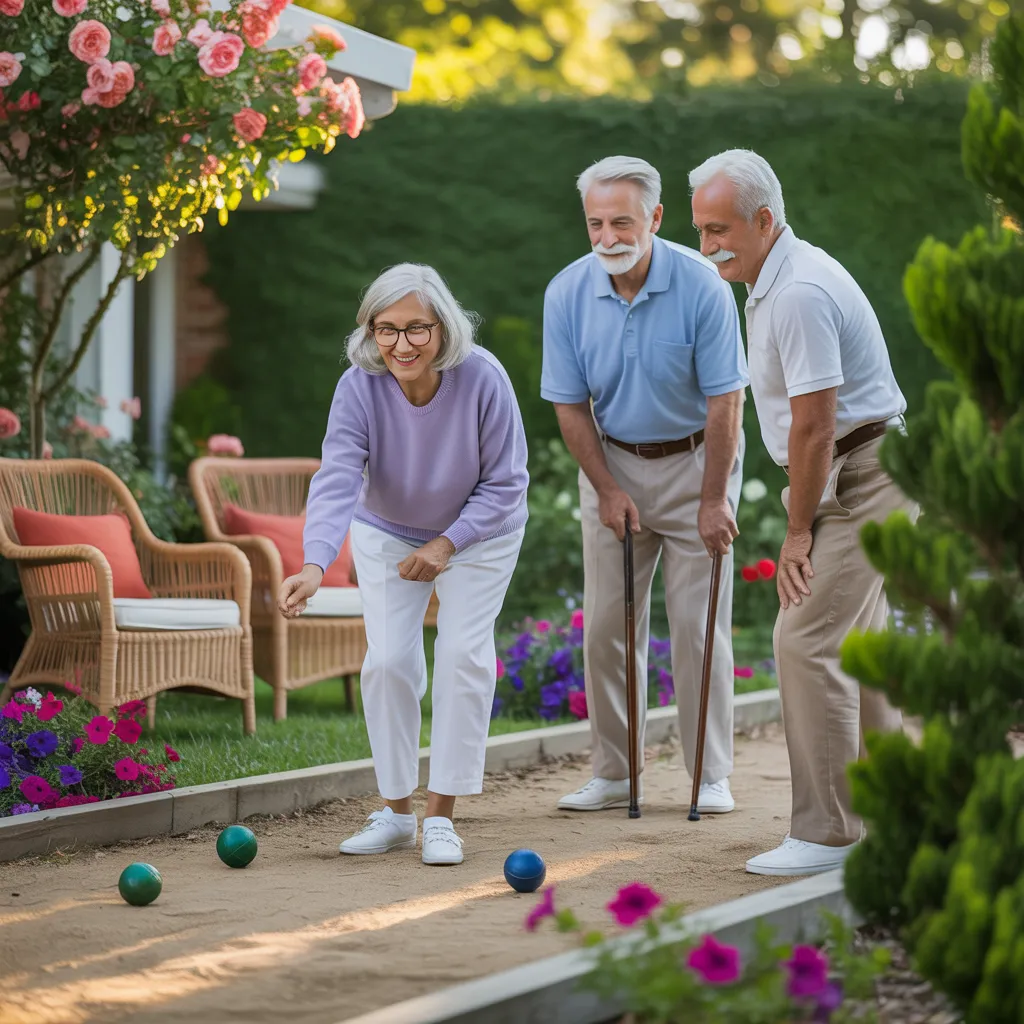
Specialized memory care programs not only concentrate on personalized treatment strategies but also stress the significance of stimulating programs that enhance the standard of living for seniors. These activities are created to activate cognitive function while promoting interpersonal engagement and mental health. Art therapy, musical activities, and gardening can offer artistic opportunities, enabling residents to express themselves and connect with their surroundings.
Structured reminiscence therapy encourages seniors to share memories, cultivating a sense of identity and purpose. essential information Physical exercises, such as gentle exercises or dance, help preserve movement and enhance emotional well-being. Additionally, sensory activities—like cooking or pet therapy—can evoke positive emotions and improve sensory awareness.
Picking the Most Suitable Memory Care Support for Your Family Members
How can families guarantee they pick the most suitable memory care provider for their loved ones? The choice starts with thorough investigation. Relatives should assess the specific needs of their loved ones, taking into account elements such as the nature and level of memory impairment. Touring potential centers enables relatives to examine the environment, staff engagement, and available amenities.
Accreditation and caregiver credentials are essential indicators of quality. Families should inquire about staff-to-resident ratios and the education given to caregivers. Additionally, it is crucial to evaluate the variety of programs and treatments offered, as these can significantly affect residents' quality of life.
Finally, families should seek out reviews and testimonials from fellow parents to gather direct insights. By weighing personal needs with expert guidance, parents can make informed choices that guarantee their family members receive the compassionate and tailored care they warrant.
Commonly Inquired FAQs Section
How Can I Evaluate My Loved One's Specific Memory Care Needs?
To evaluate specific cognitive support requirements, one should track behavioral changes, communication abilities, performance of daily activities, and emotional well-being. Engaging medical experts for evaluations and obtaining feedback from care providers can further clarify those needs.
What Skills Need to Be Shown by Caregivers in Memory Care Units?
Staff members in care facilities need to acquire proper certifications, dementia care training, skilled communication, empathy, and experience. Also, they must demonstrate tolerance and versatility to appropriately support the special needs of residents.
Do Insurance Plans Include Tailored Memory Care Services?
Insurance coverage for tailored memory care services differs significantly among providers. Many plans may partially cover costs, but it's crucial for people to confirm details with their insurance provider to comprehend their benefits and limitations.
How Often Do Treatment Plans Get Reviewed and Updated?
Care plans are consistently reviewed and updated, often twice yearly or every quarter. This guarantees that the changing needs of individuals are properly addressed, allowing for adjustments to treatment approaches and support methods as needed.
What Elements Need to I Evaluate During a Facility Tour?
When taking a facility tour, one should examine hygiene, staff interactions, resident engagement, safety measures, available amenities, and overall atmosphere. Additionally, evaluating the facility's approach to individualized treatment and community involvement is essential for informed choices.